Editor-in chief. Market intelligence and strategy expert, and long-year speaker, moderator. More than 15 years in global identity verification, age verification, and RegTech markets.
Posts by Per Henrikson:

Authorities want to verify that both the app and its supporting infrastructure can handle large numbers of real users connecting at once.

During a recent interview with BankInfoSecurity, Matt Vega, chief fraud strategist at Point Predictive, said one of the most alarming developments is the emergence of "camera injection" kits that allow criminals to bypass facial liveness checks altogether.

Digital wallet providers, digital identity and credential issuers, verifiers and government agencies can now use test suites developed by the OpenID Foundation for self-certification to common digital identity and verifiable credentials specifications.

Feature attribution, saliency maps, attention mechanisms, SHAP, LIME, and multimodal explanation layers help make model decisions easier to understand.

iDenfy has integrated BankID Norway into its identity platform, allowing Norwegian users to verify their identity using bank credentials to combat a 47% rise in local identity theft.
iDenfy has integrated Czech Bank iD into its identity verification platform, offering a non-document onboarding option for the Czech market.

Partnership pairs authID's biometric technology with ASV's KYC and compliance platform to help auction houses, galleries, and dealers combat money laundering and identity fraud.

All 27 EU states must offer digital identity wallets by December 2026. AlongID CEO Erika Maslauskaite says the real product is the layer connecting them.
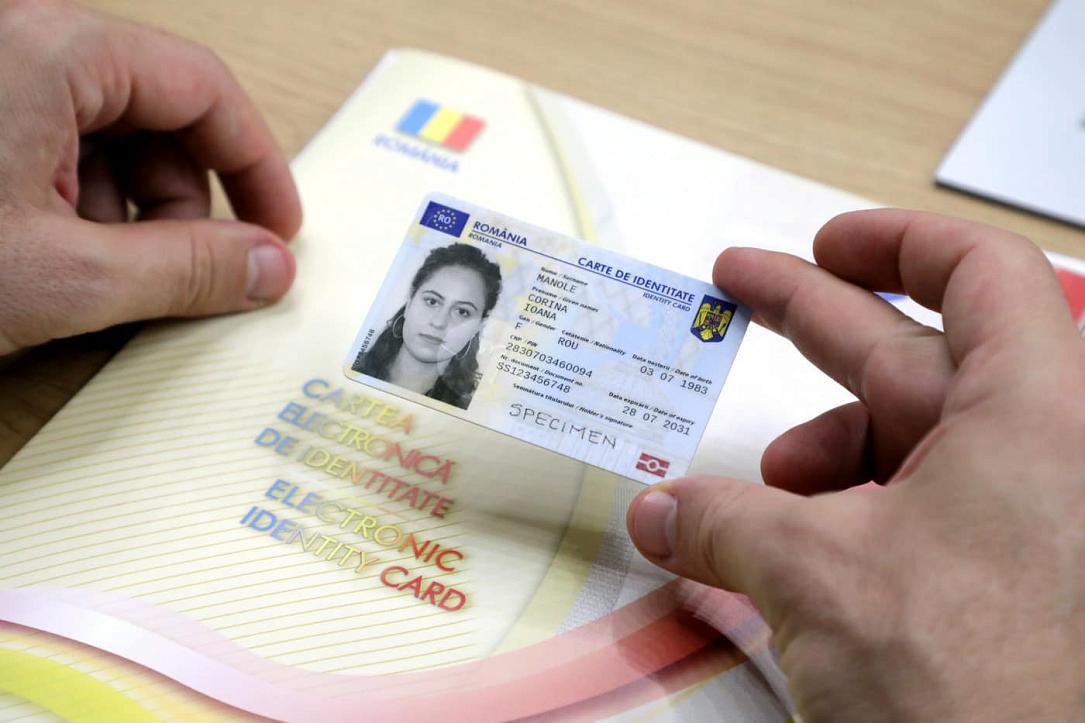
Authorities have explained that the CEI, which is designed in the shape and size of a bank card, is issued for free, but old IDs will remain in use until they reach their expiry date.

According to aiQ, the system neither stores biometric templates nor performs conventional one-to-one or one-to-many biometric matching. Company says its QiD technology derives a persistent digital identifier directly from an individual without credentials, enrollment or biometric template matching.

The partnership integrates Sumsub's identity verification infrastructure directly into Sumvin's agentic credential, enabling AI agents to act on behalf of KYC-verified individuals in real-time commerce and financial services.

Sigma360 offers a full-stack AI platform for risk intelligence, financial crime prevention and compliance.

