2026-06-30
Per Henrikson
Across the Gulf, digital finance has moved from forecast to daily reality, and Kuwait is among the fastest movers. For a newly launched digital finance app, the real test comes in the first ninety seconds of onboarding, verifying that a customer is who they claim to be, quickly enough to deliver a frictionless experience, and rigorously enough to satisfy egulatory requirements.
The new eID workflow integration brings Belgium’s national smart card identity system into iDenfy’s existing non-document verification onboarding solutions, allowing businesses to integrate more native, already familiar onboarding flows in various markets.
In a release, the California-based identity verification firm says its customers can now accept digital IDs in more than 60 countries and territories when onboarding new users, helping customers drive conversions and meet compliance mandates.
2026-07-02
Per Henrikson
The Moldovan government has approved amendments to the identity and residence documentation regulations, allowing citizens as young as 14 to request a qualified electronic signature linked to their national identification card.
2026-07-02
Ian Fleming
Reality Defender, the enterprise deepfake detection company, today announced it has been named a Market Shaper in the Gartner® Emerging Market Quadrant for Deepfake Detection — Startup Vendors report as of June 2026.
Experian has partnered with Resistant AI to offer document fraud detection tools in Australia and New Zealand through its Ascend platform. Banks and insurers in Australia and New Zealand will gain new checks as AI-made forgeries increasingly evade standard identity verification tools.
2026-07-01
Per Henrikson
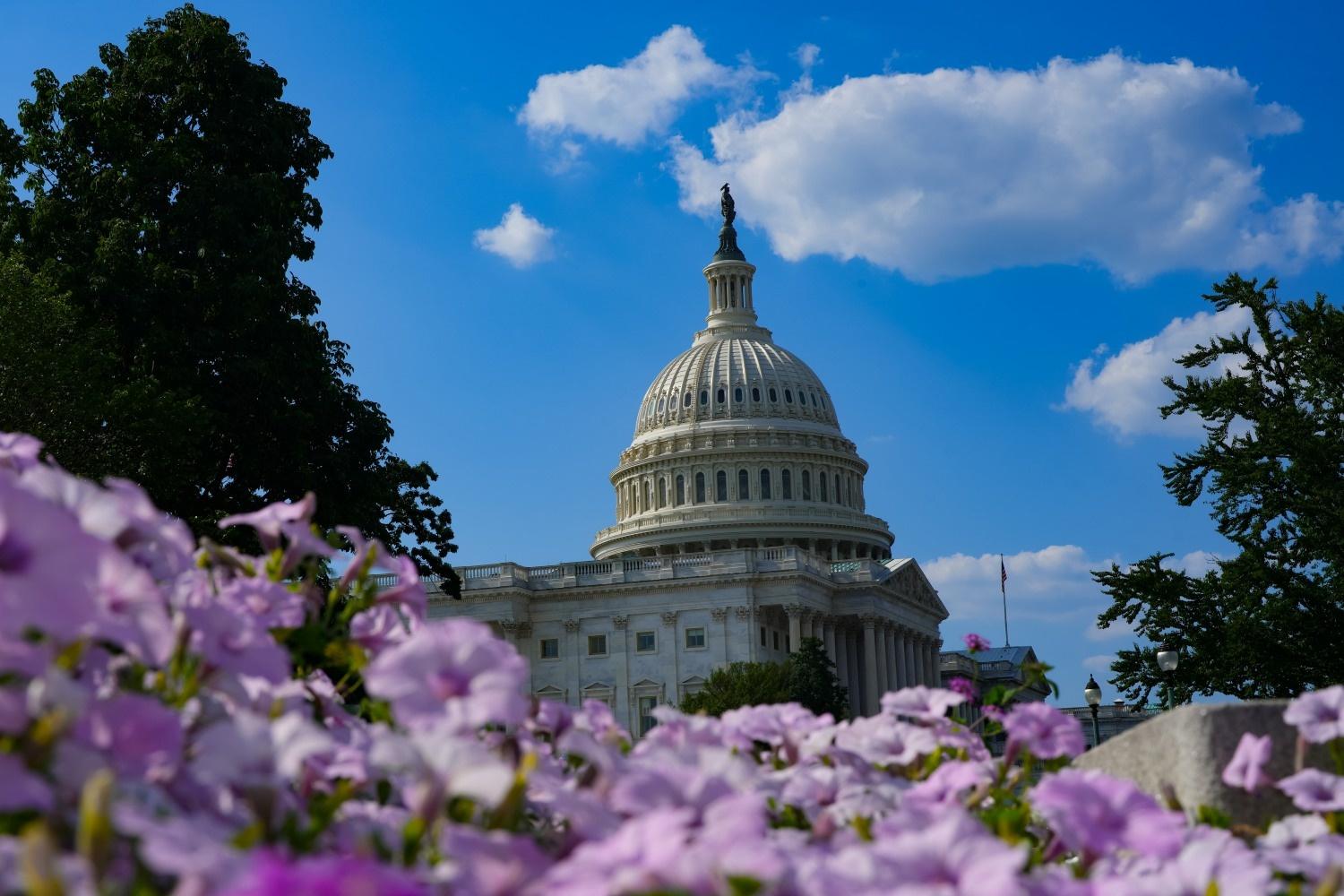
The U.S. House of Representatives passed the Kids Internet and Digital Safety Act 29 June, advancing a broad package of online child safety legislation that would establish new requirements for social media platforms, AI chatbots and parental controls.
Opponents of the KIDS Act say urgent laws are needed to protect kids online from Big Tech. But the legislation raises concerns about age verification and online safety.
Australia has doubled the maximum penalty for systematic failures to enforce its social-media ban for children under 16, intensifying a closely watched