2026-09-22Per Henrikson
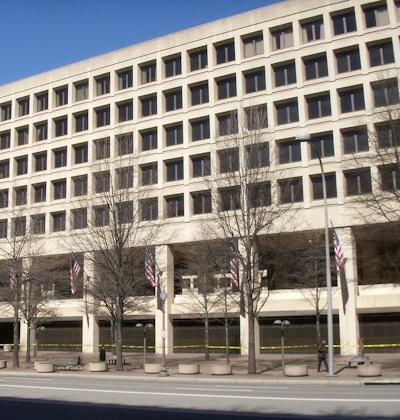
The cybercriminal group ShinyHunters claimed on its dark web leak site that it breached the FBI and stole data on nearly all agents and job applicants, including names, home addresses, and phone numbers
View more
2026-09-14Ian Fleming
Passkey social engineering hacks are seeing a spike in identity and cloud compromises, which the Microsoft Security Research team have monitored and reported amid a lot of unusual sign-ins.
View more
2026-09-14Ian Fleming
AI-driven document forgery is shifting from the final claims stage to the very beginning of the customer journey, such as during the quote and policy inception phases. Fraudsters are now submitting fabricated records right at onboarding to test insurer defenses and establish false credibility for future, larger scams.
View more
2026-09-14Per Henrikson
More than 153 million (1) driver's license records appeared for sale on the dark web. The massive trove reportedly included scans of the front and back of licenses, customer photos and other information that could help a fraudster convincingly pose as someone else.
View more
2026-09-09Ian Fleming
Deepfake document fraud accounted for 80.10% of AI-enabled fraud, the dominant attack instrument by a wide margin, ahead of synthetic identities at 12.31%, injected videos at 4.01%, and face swaps at 3.58%.
View more
2026-09-08Per Henrikson
At least nine federal class-action lawsuits have been filed against New Orleans-based company ID Scan following an alleged data breach that may have exposed the personal information of millions of people in the United States and Canada.
View more
2026-09-07Ian Fleming
Dropbox has confirmed that approximately 5,000 customer accounts were accessed between 4-21 August, after hackers exploited a legacy login integration between Dropbox and Lenovo's own identity system, Lenovo ID.
View more
2026-09-04Ian Fleming
Thomson Reuters has disclosed a significant cybersecurity incident affecting its C-Track court management software, leading to a breach of sensitive case data across multiple jurisdictions in Canada and the United States.
View more
2026-09-02Per Henrikson
A possible IDScan cyberattack may have exposed millions of passports and driver licenses, prompting an FBI investigation and renewed concerns about identity document security.
View more
Your experience on this site will be improved by allowing cookies
Cookie Policy