Editor-in chief. Market intelligence and strategy expert, and long-year speaker, moderator. More than 15 years in global identity verification, age verification, and RegTech markets.
Posts by Per Henrikson:
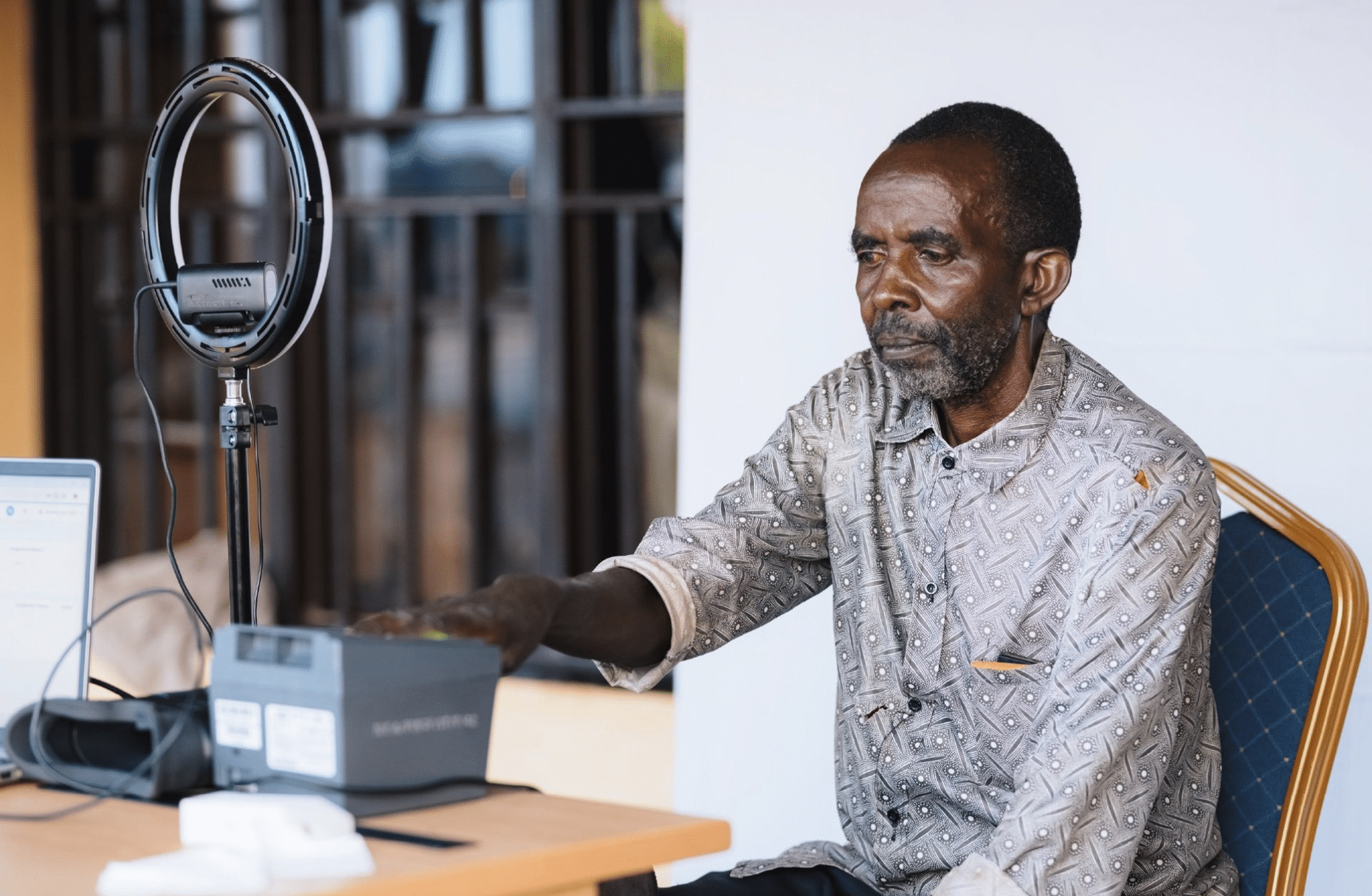
Refugees are being enrolled alongside citizens as Rwanda expands digital ID, reflecting a broader push for inclusion in national identity systems.

Anthropic may use Apple Wallet's digital ID for verifying U.S. users of the Claude model, potentially resuming services halted by export controls.

Following the removal of 11,964 fraudulent websites in 2025 alone, ASIC has launched a public register containing more than 6,500+ financial services (AFS) licensees, marking a significant shift from reactive enforcement to proactive verification.

Fresh funding will support development of risk-detection tools that complement the firm's IDV, fraud prevention and compliance offerings

Under the proposed rules, stablecoin issuers would be required to operate customer identification programmes that verify the identity of individuals seeking to open an account, maintain related records, and screen users against lists of individuals with suspected terrorist ties.

Asian nations Bhutan and Malaysia are improving their digital identity infrastructure—Bhutan recently joined the 50-in-5 campaign as the 39th member, and Malaysia upgraded its nationwide MyDigital ID registration kiosks.

Persona intern for University at Buffalo PhD develops produced a system for layout-aware representation learning across more than 10,000 ID document formats.

Estonia plans to become the first country in the world to introduce digital identities for AI agents to better regulate the industry, Prime Minister Kristen Michal (Reform) has said.

Efforts to verify identity without exposing sensitive personal data are moving from theory into patent filings and public funding applications. In a new European

The Hashgraph Group and Truesense have filed a European patent application for a digital identity system called Continuous Identity Trust Infrastructure. The system is intended to verify that a person was physically present at a specific place and time without disclosing personal data.
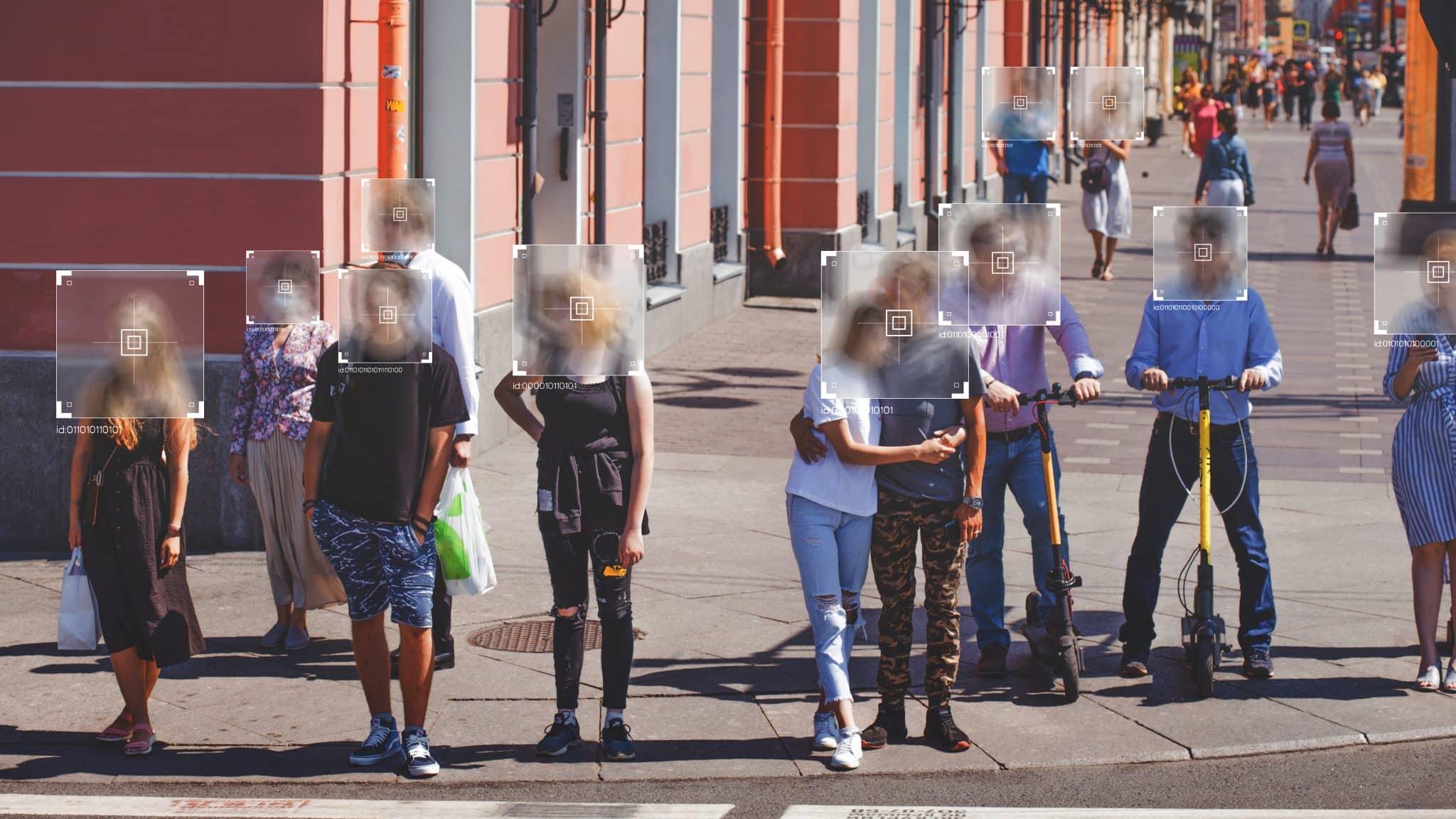
A DHS privacy analysis indicates that the deployment is likely to significantly increase the number of biometric records the agency holds of U.S. citizens.

At a minimum, the CIP would have to include risk-based procedures for verifying the identity of each customer to the extent reasonable and practicable.

