Editor-in chief. Market intelligence and strategy expert, and long-year speaker, moderator. More than 15 years in global identity verification, age verification, and RegTech markets.
Posts by Per Henrikson:
Teylor uses IDnow’s AI-driven and video-assisted identity verification services to instantly and securely identify SME owners applying for financing.

Across 2025 and 2026, the five hardest hit were dating, online media, financial services, crypto, and professional services, with dating and online media each at a 6.3% fraud rate. Banking faces a rising tide of deepfakes and AI-generated paperwork that wears down old verification, leaving the industry little choice but to adopt sharper detection or gamble with customers and system integrity.

Vonage, an early leader in operationalizing telecom network data for enterprise use cases, is one of the first companies worldwide to deliver user verification leveraging network intent signals at scale.

UK-based Sumsub has announced the launch of a self-service Travel Rule product designed to enable crypto platforms to activate compliant crypto transfers without incurring implementation fees or undertaking lengthy technical onboarding.

Smartcomply is expanding into the UK with Adhere its AI powered anti money laundering know your customer and fraud detection platform for African payment corridors The Nigerian compliance

Swedish fintech Anyfin has partnered with Fourthline, a European identity services provider. Announced on May 27, 2026, the collaboration equips Anyfin with
![ID-Pal upgrades defences against deepfake injection fraud]()
Has announced upgrades to its Injection Attack Detection (IAD) capabilities within its Liveness Testing function, aimed at addressing session-layer manipulation and deepfake injection during remote onboarding.

An independent assessment was conducted by cybersecurity firm SocialProof Security, using deepfakes, injection attacks and AI-generated documents found no successful mobile authentication bypasses. In the web tests, deepfake tests showed “mixed outcomes."

Fourthline has been selected by Swedish fintech Anyfin to provide identity verification, QES, and biometric authentication across European markets.
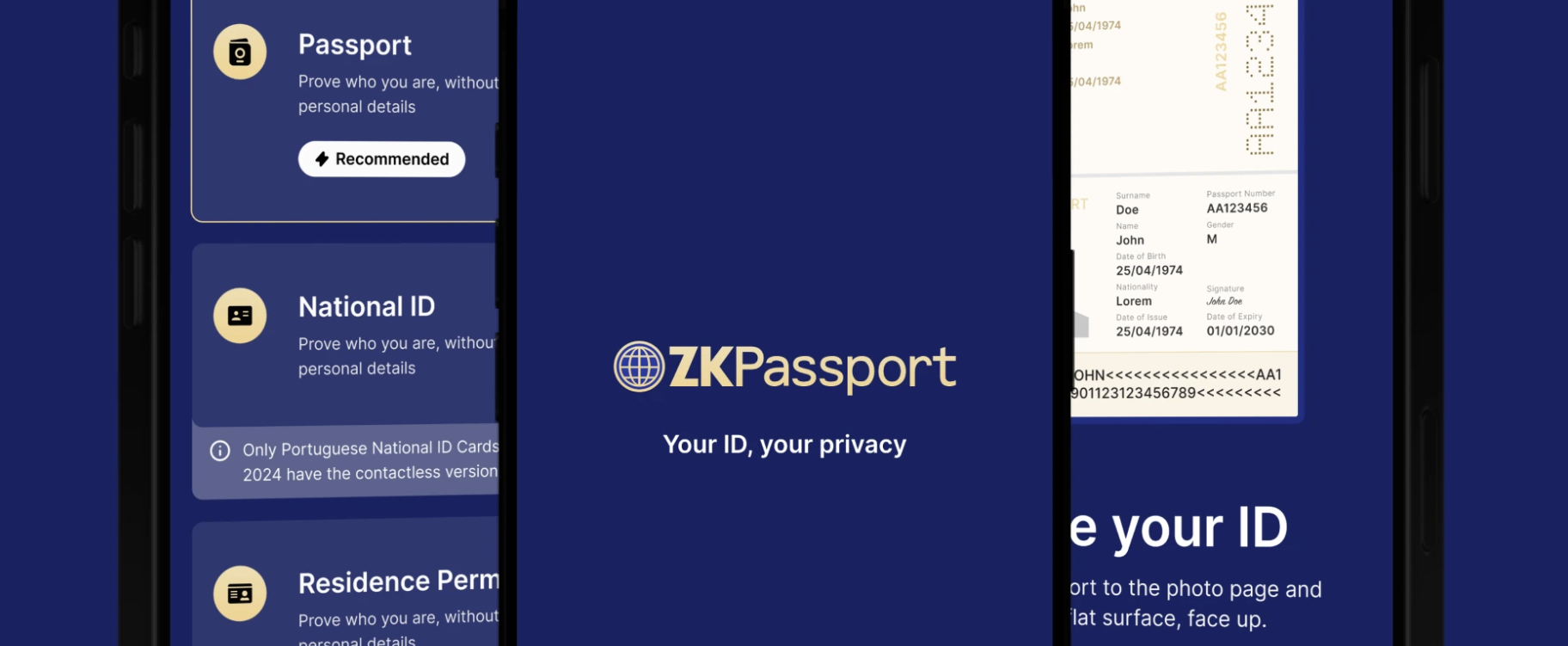
Blockchain privacy company Aztec Labs Ltd. announced today that it has acquired Obsidion Labs Ltd., the British startup behind zero-knowledge identity protocol ZKPassport.

Recruit verifies candidate identity throughout the hiring process as deepfakes, AI-generated résumés and impersonation attempts rise.

The enhancement strengthens the Interac® document verification service with iBeta Level 3-validated liveness and deepfake and injection-attack detection. Interac will hold exclusive Canadian rights to deliver document verification capabilities using Incode's technology.

