2026-10-22
Per Henrikson
First Advantage Corporation (NASDAQ: FA), a global software and data company, and ID.me, a market-leading digital identity wallet, announced the launch of their Fair Credit Reporting Act (FCRA)-compliant digital identity verification product for recruitment, hiring, and onboarding.
Under the arrangement, Trinsic will supply the infrastructure that powers Ondato’s new digital identity capability. The deal comes as several EU member states begin launching wallets under the European Digital Identity (EUDI) framework.
2027-08-20
Ian Fleming
The country’s chip-based national identity card, first piloted in Cluj county, is now issued nationally, with more than EUR 150 million in European funds financing the first batches in 2026.
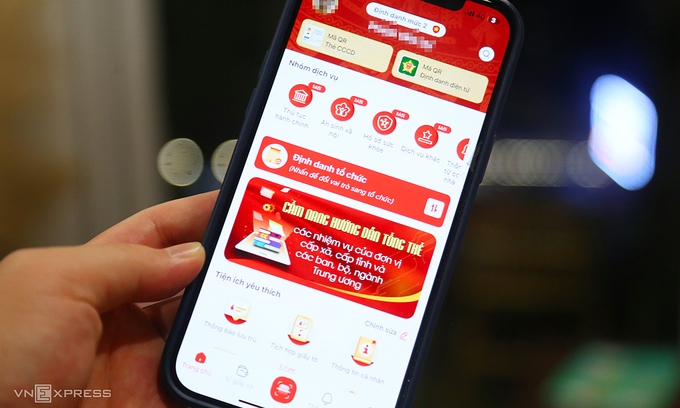
Vietnam is advancing plans to connect its national electronic identification application, VNeID, with Singapore’s Singpass system and Laos’s LAeID system, targeting completion of trial connections by Nov. 15.
2026-11-04
Per Henrikson
Police use AI to review evidence, resolve identities, link cases, trace money, and detect synthetic media. The biggest gains come from connecting data sources, not from any single tool.
A new partnership with IATA aims to simplify international travel visa requirements, offering travellers a seamless way to check entry rules and apply for visas online.
2026-10-25
Ian Fleming
The Thai government is stepping up efforts to combat online scams by working with Meta to tighten identity verification requirements for advertisers on social media platforms, with a “No ID, No Ads” policy set to take effect in early November 2026.
On Sept. 17, 2026, the European Commission proposed the EU KIDS Act, a new regulation intended to strengthen protections for minors using digital services and AI systems.